The Unworlding
- Group exhibition
- 10 September – 24 October 2026
- Opening
- Thu 10 Sep, 6–9 pm
- Artists
- David Noro, Gosia Machon, Heidrun Rathgeb, Joseba Eskubi, Joseph Dilnot, Lisa Ivory, Lucas Kaiser and Martyn Cross
- Location
- Weserhalle, Weserstr. 56
When the industrial revolution transformed Europe, a generation of painters walked into the forest. They were reaching for something modern life had begun to take away: mystery, vastness, the sense of being small before something larger than oneself. The same impulse had always lived in folklore – in the rituals and symbols communities used to negotiate with nature and the unexplainable. Two centuries later, a different revolution has produced a different estrangement. We are not displaced by factories but by screens. And that older, folkloric way of being inside the world feels further away than ever – a slow coming undone from the world we thought we knew.
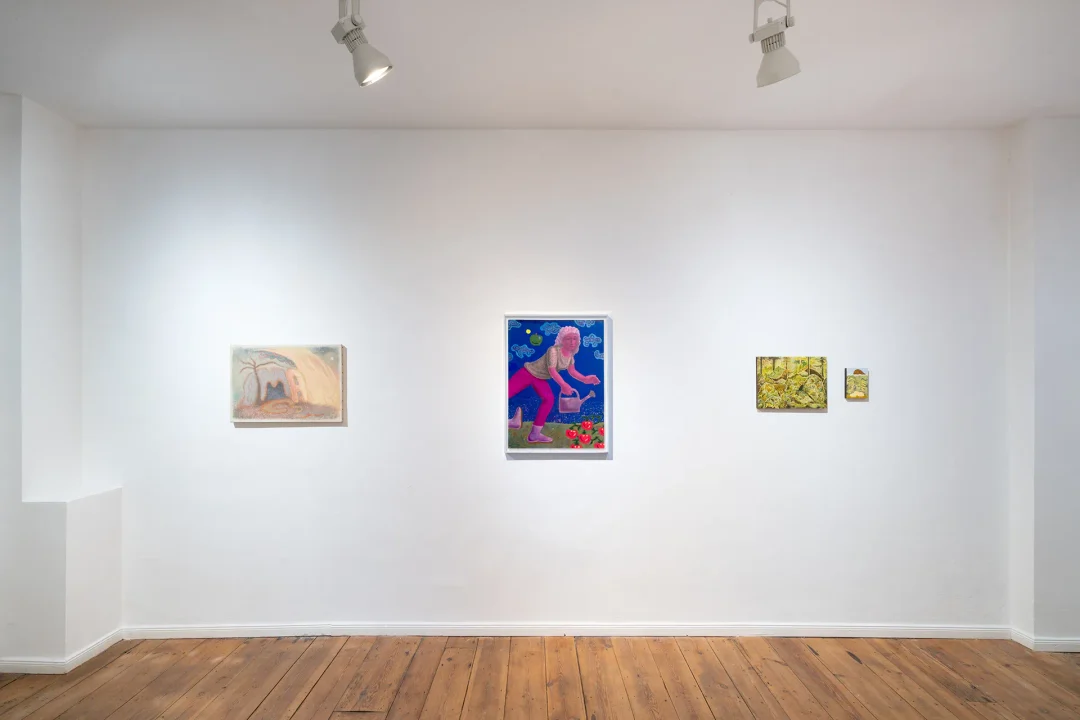
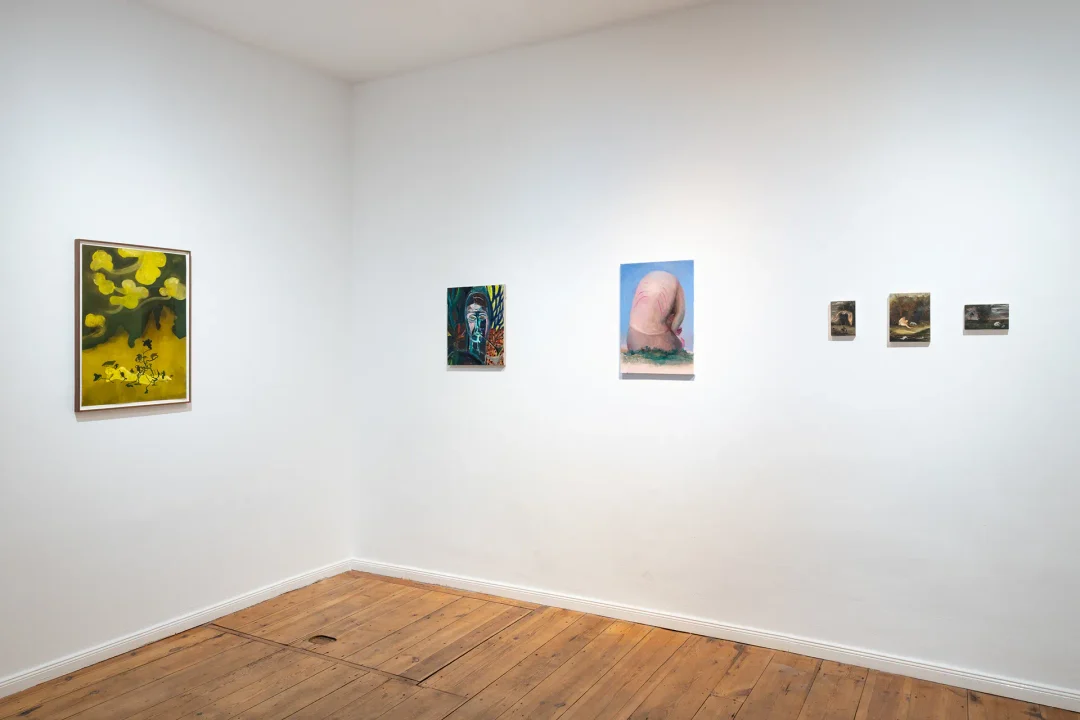
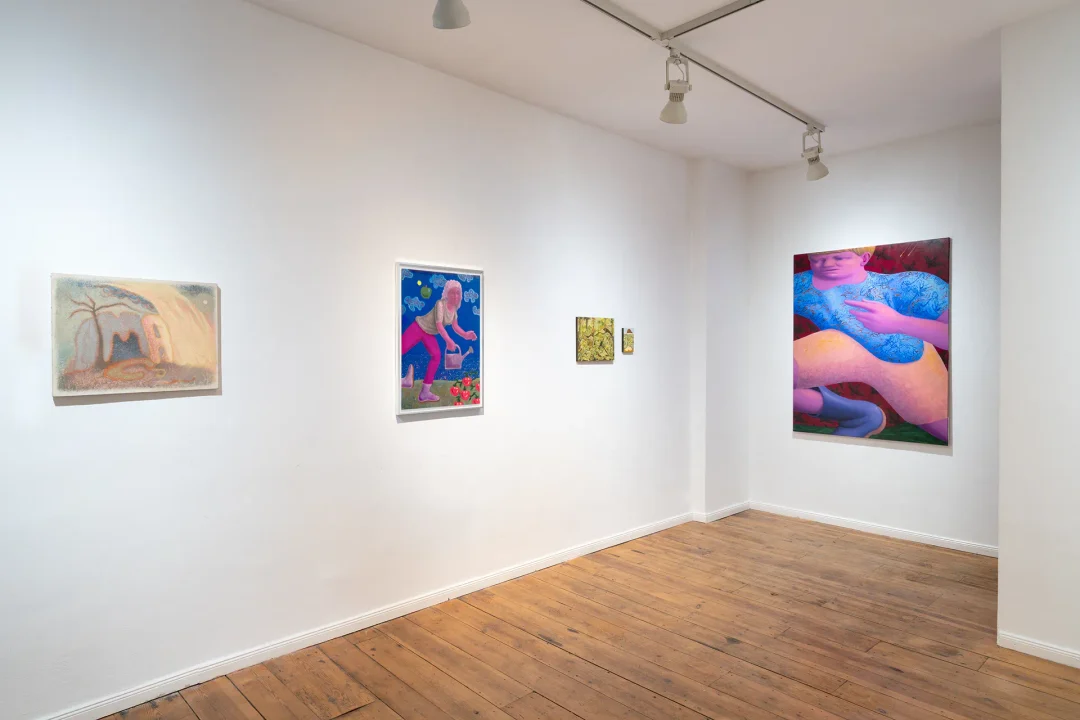
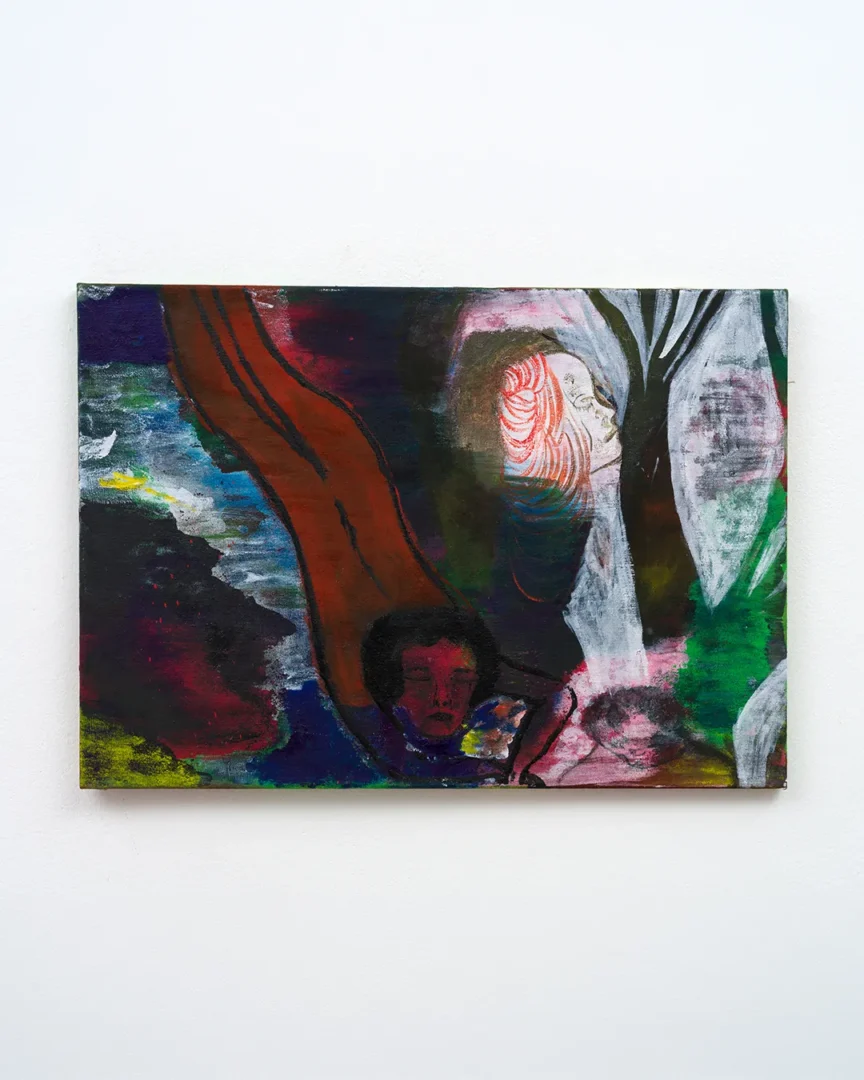
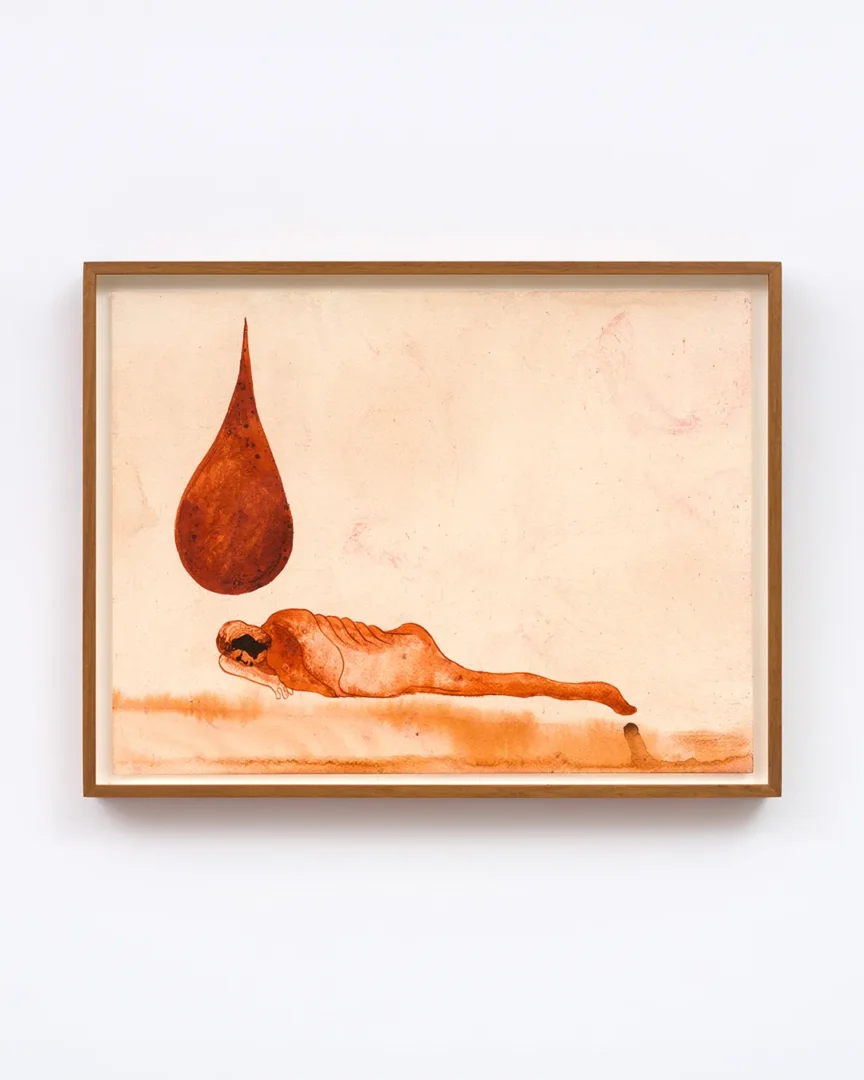
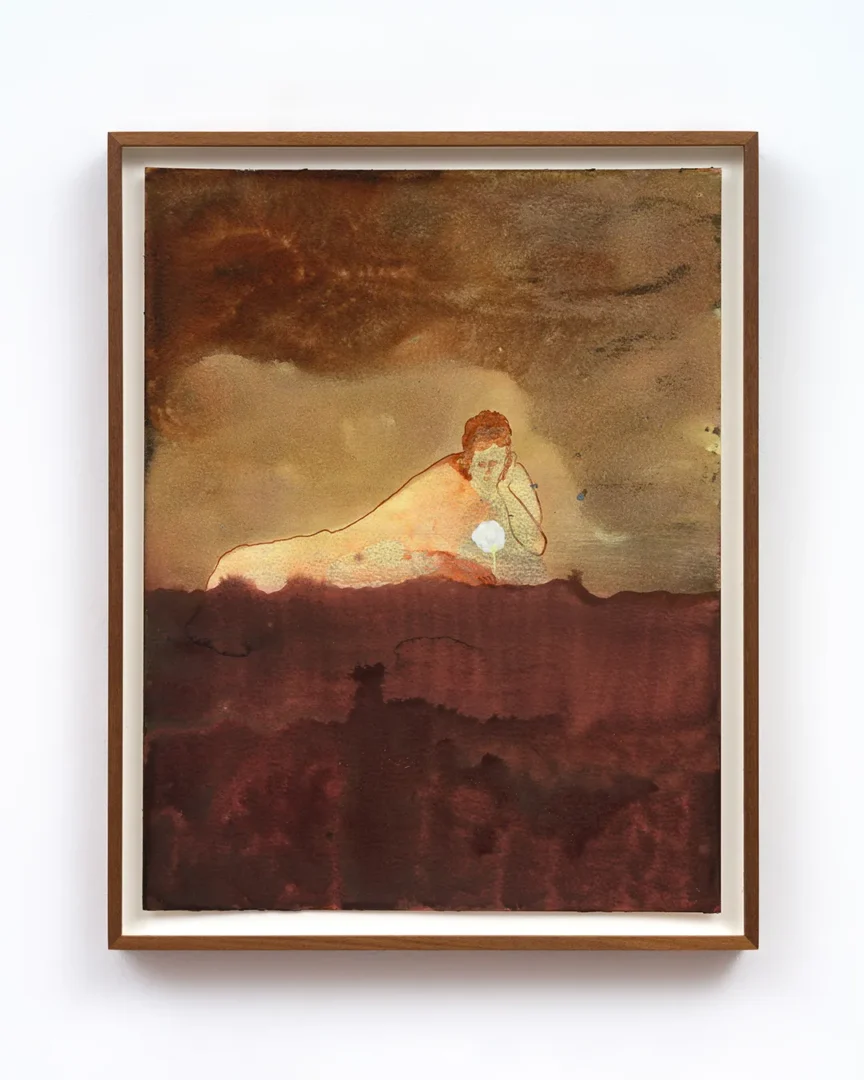
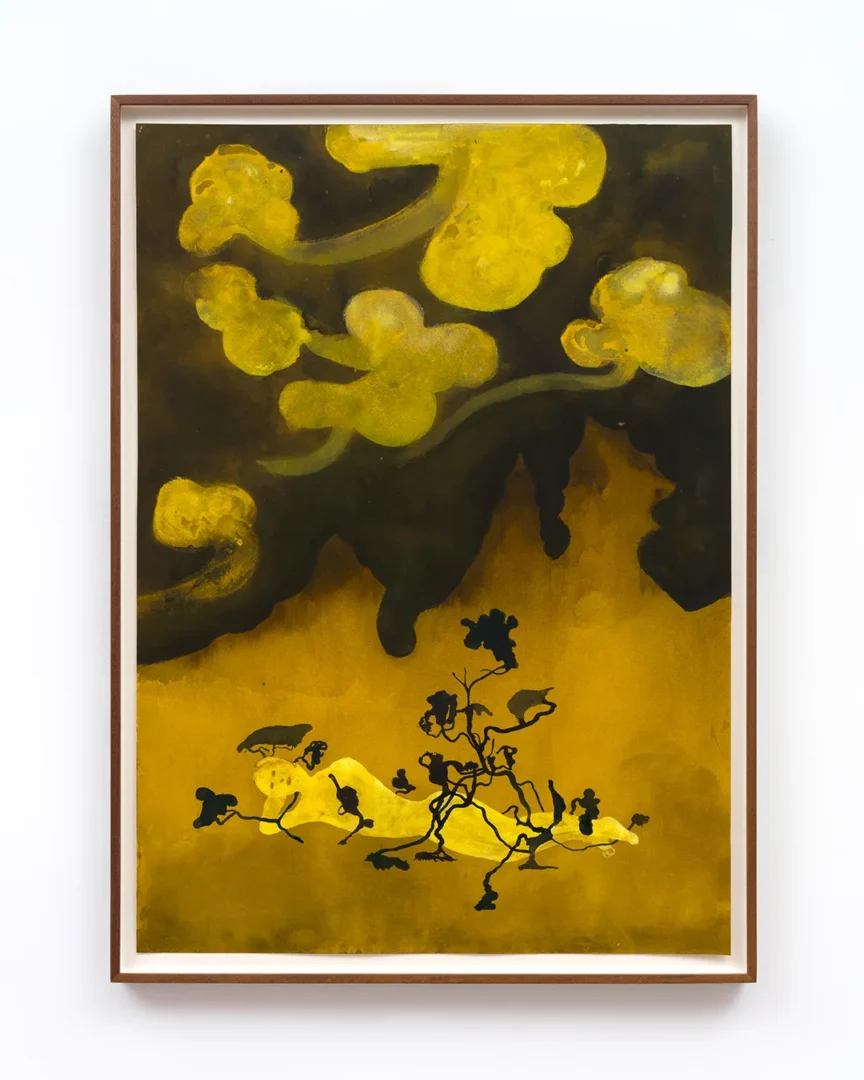
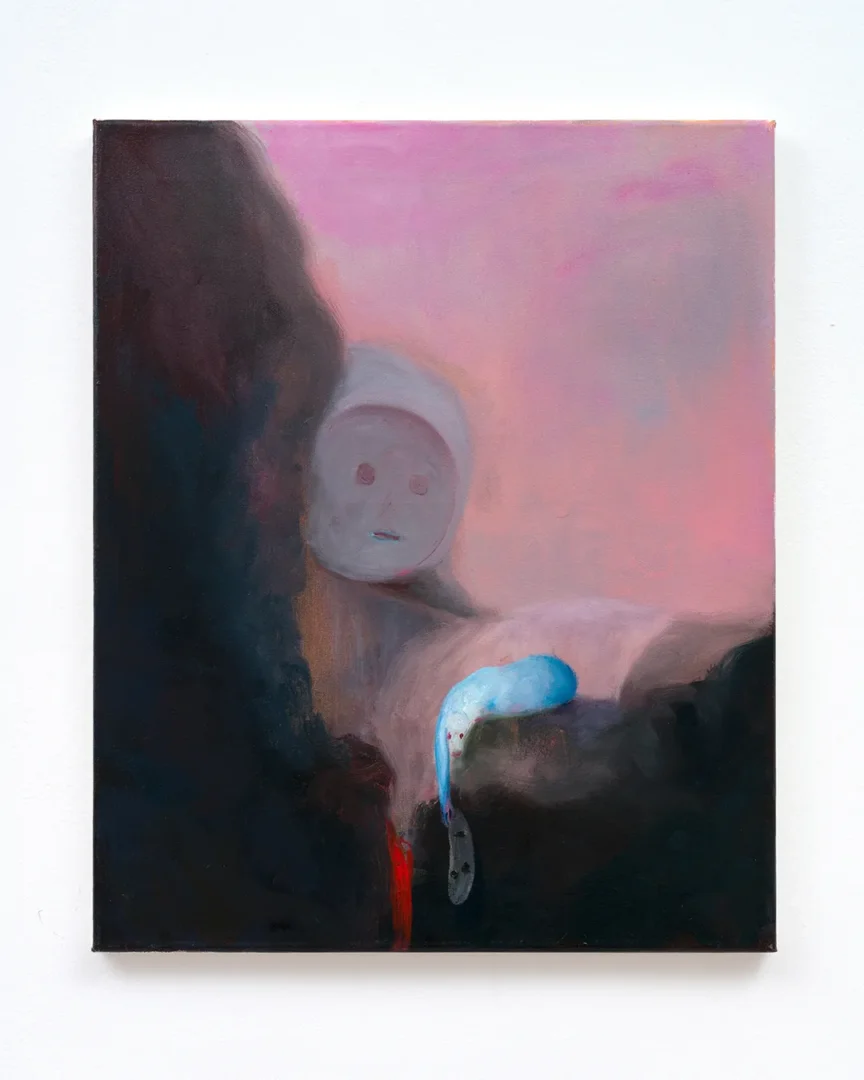
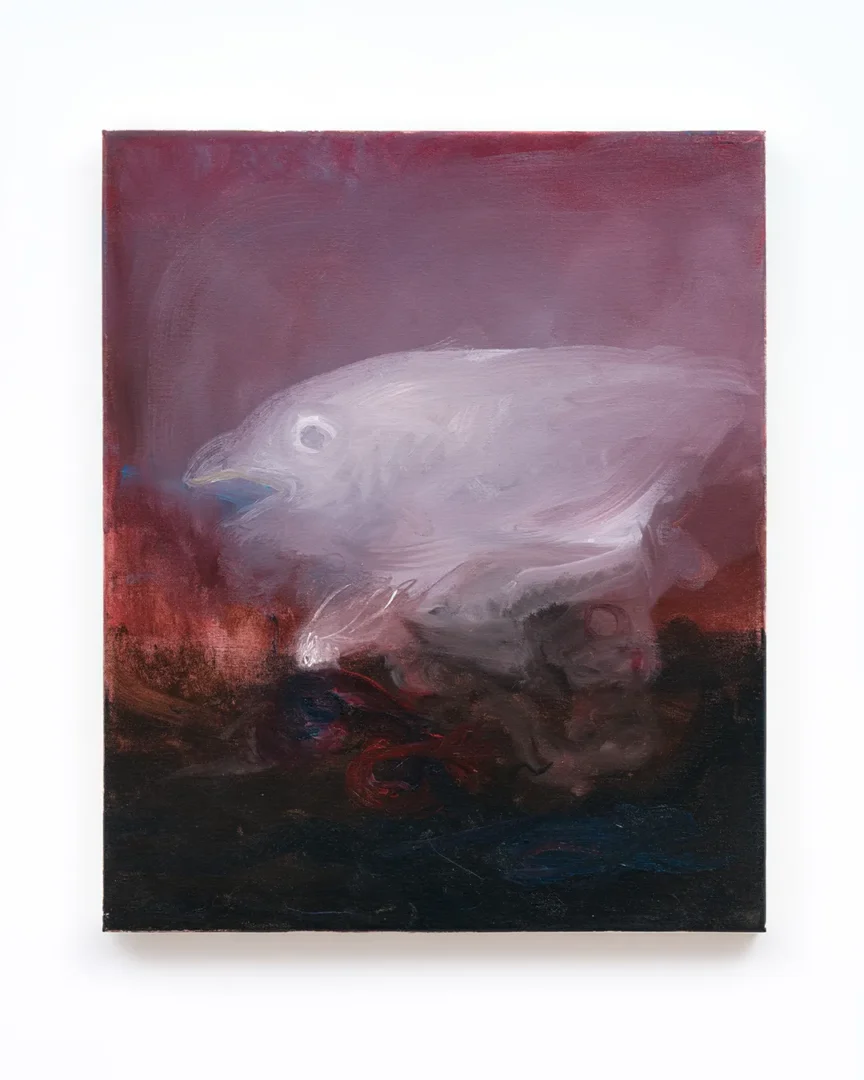
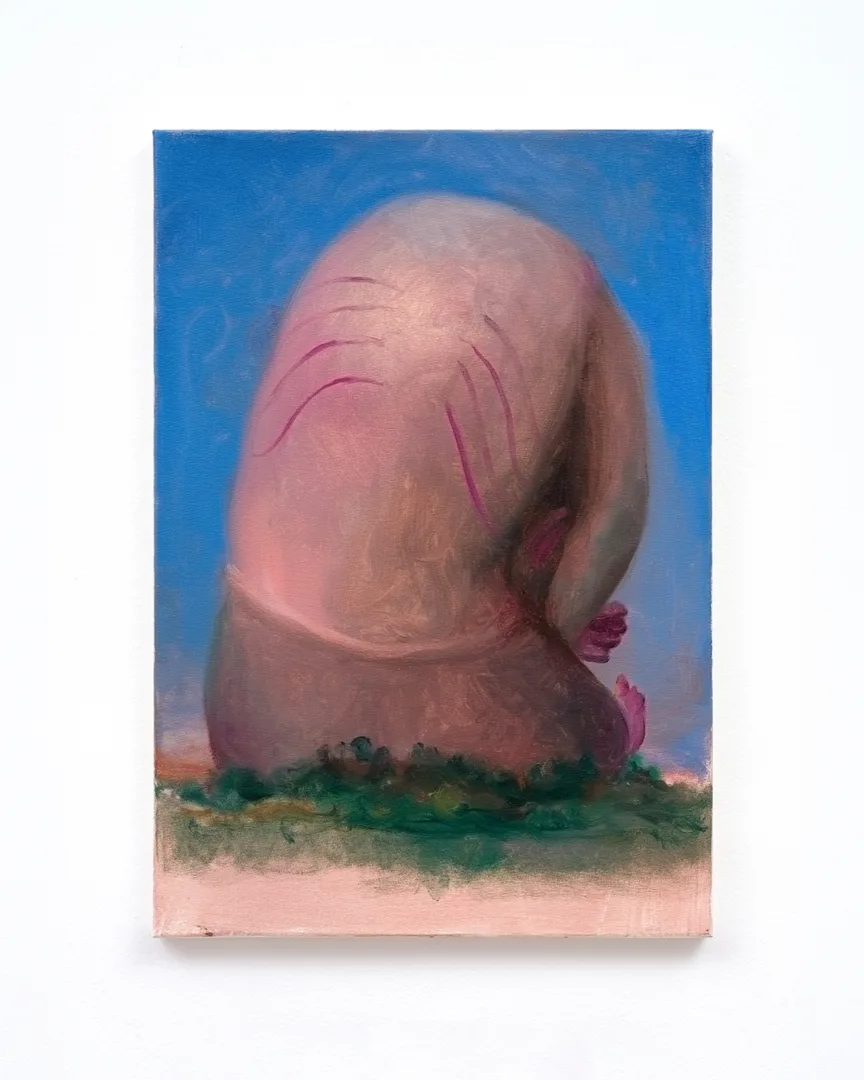
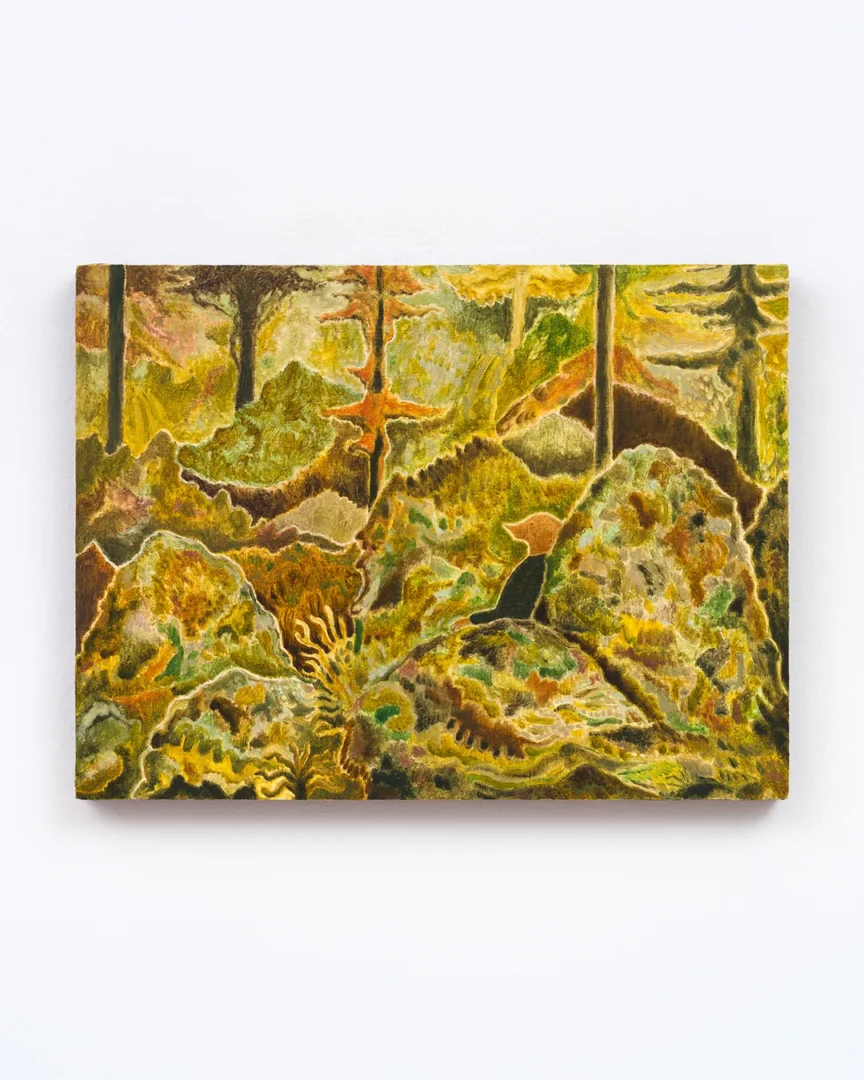
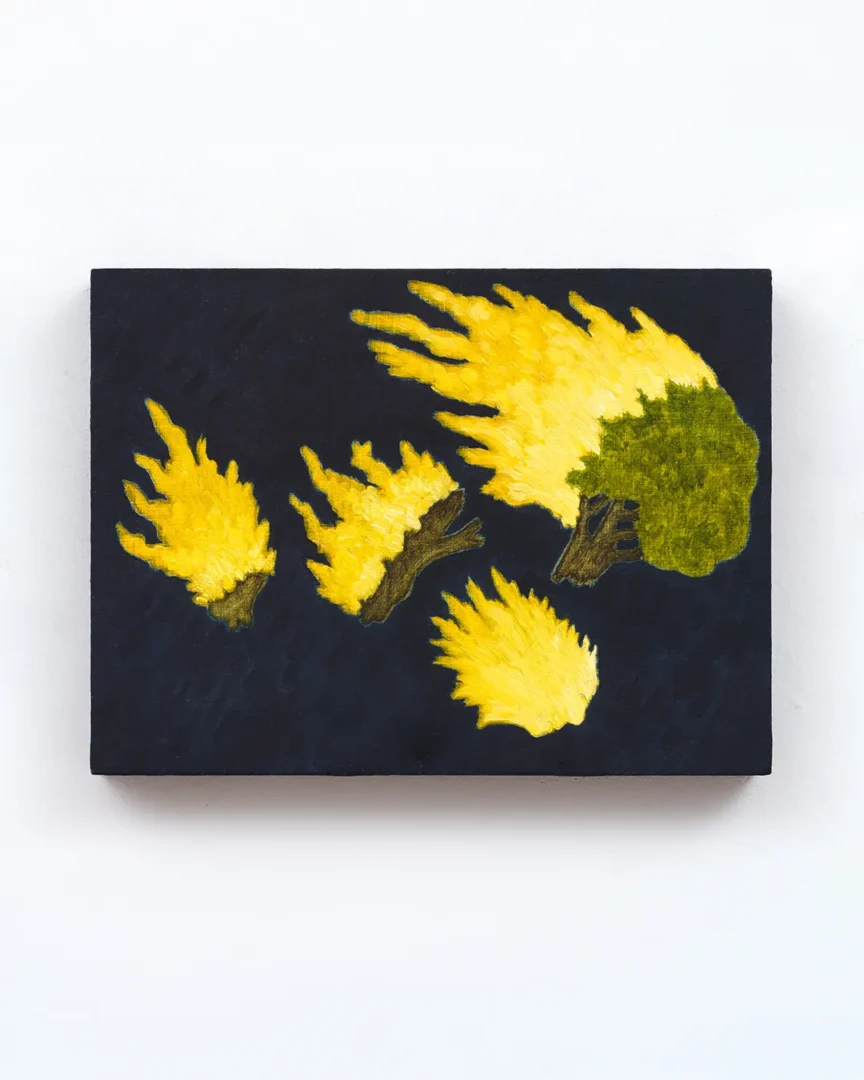
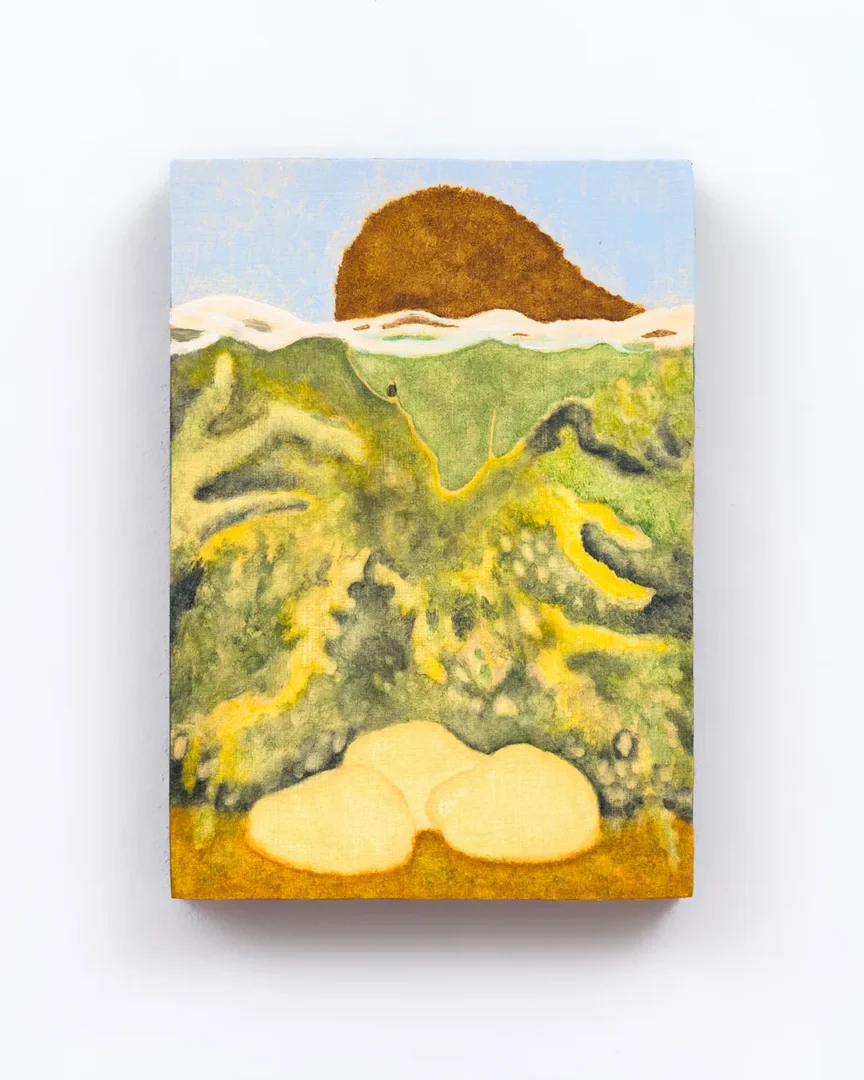
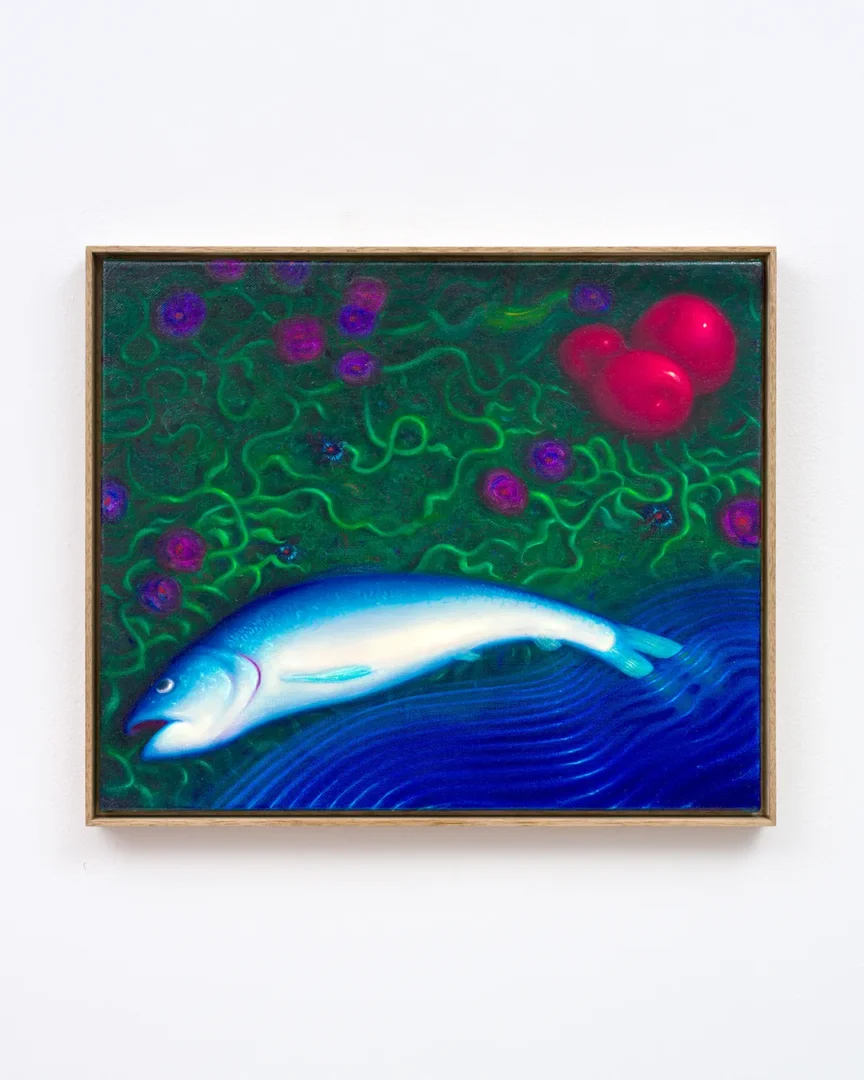
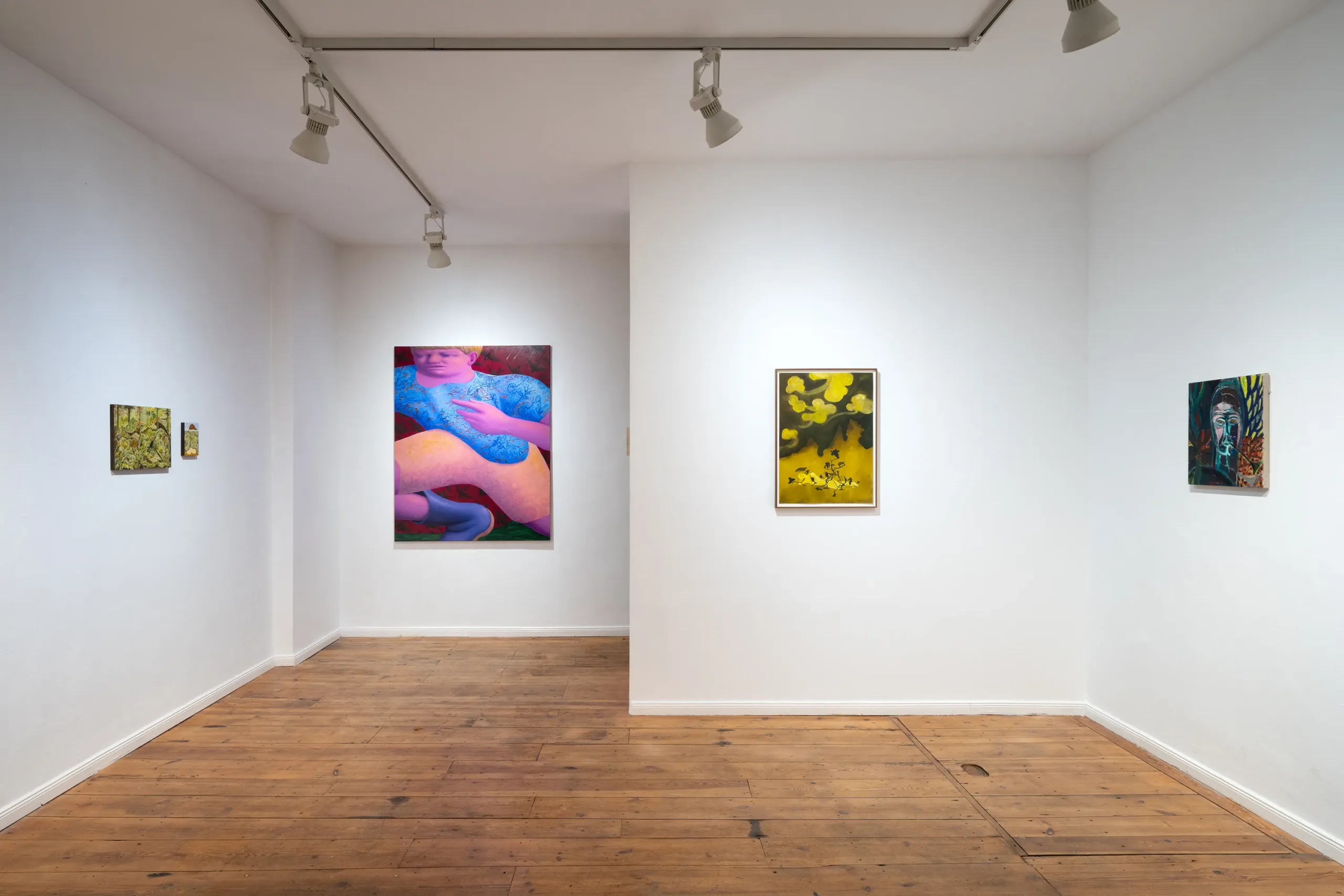
The eight painters in The Unworlding share a willingness to resist the sleekness inherent to the screen and AI-produced image. Where the digital image is frictionless and instant, these paintings demand time – built up, scraped back, worked slowly by hand. Some work in techniques that carry their own historical weight: egg tempera, darkly atmospheric oil painting, multi-layered drawing. It is in this material resistance that something opens up: a liminal space where wonder is still allowed in.
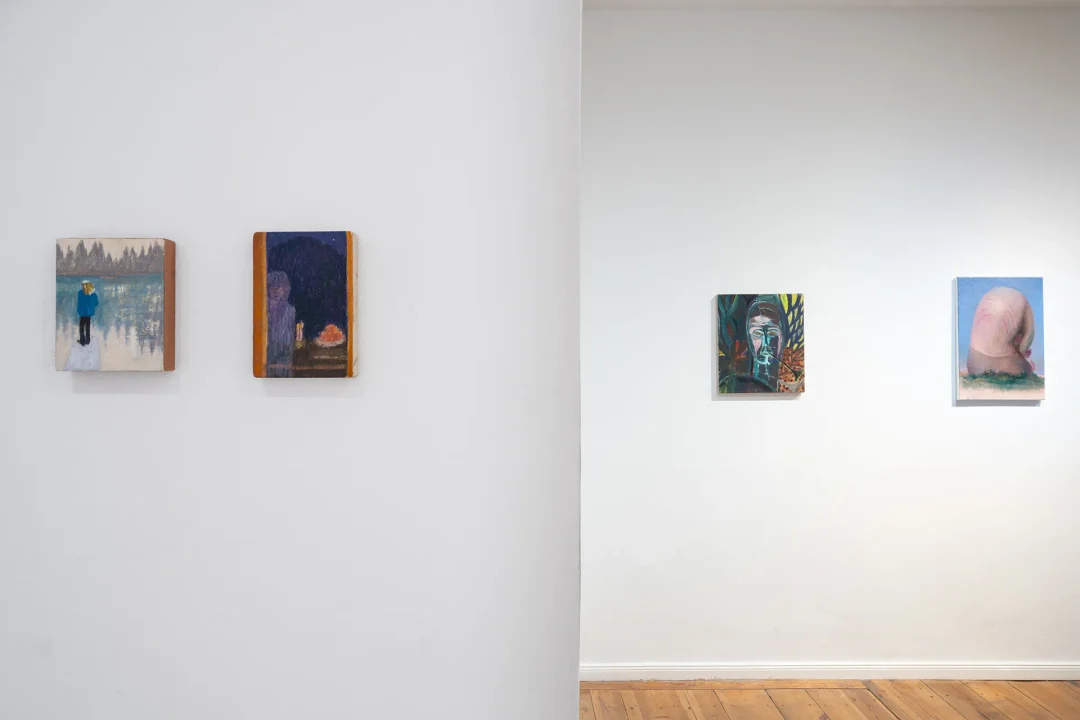
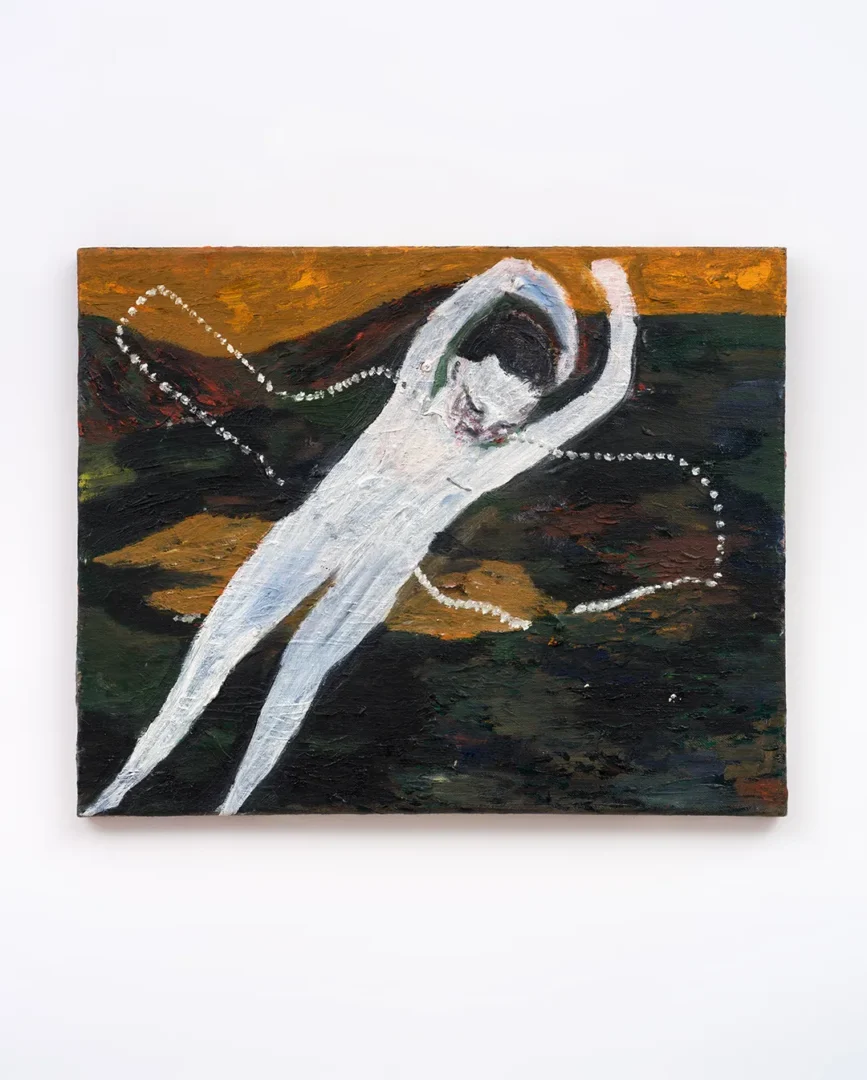
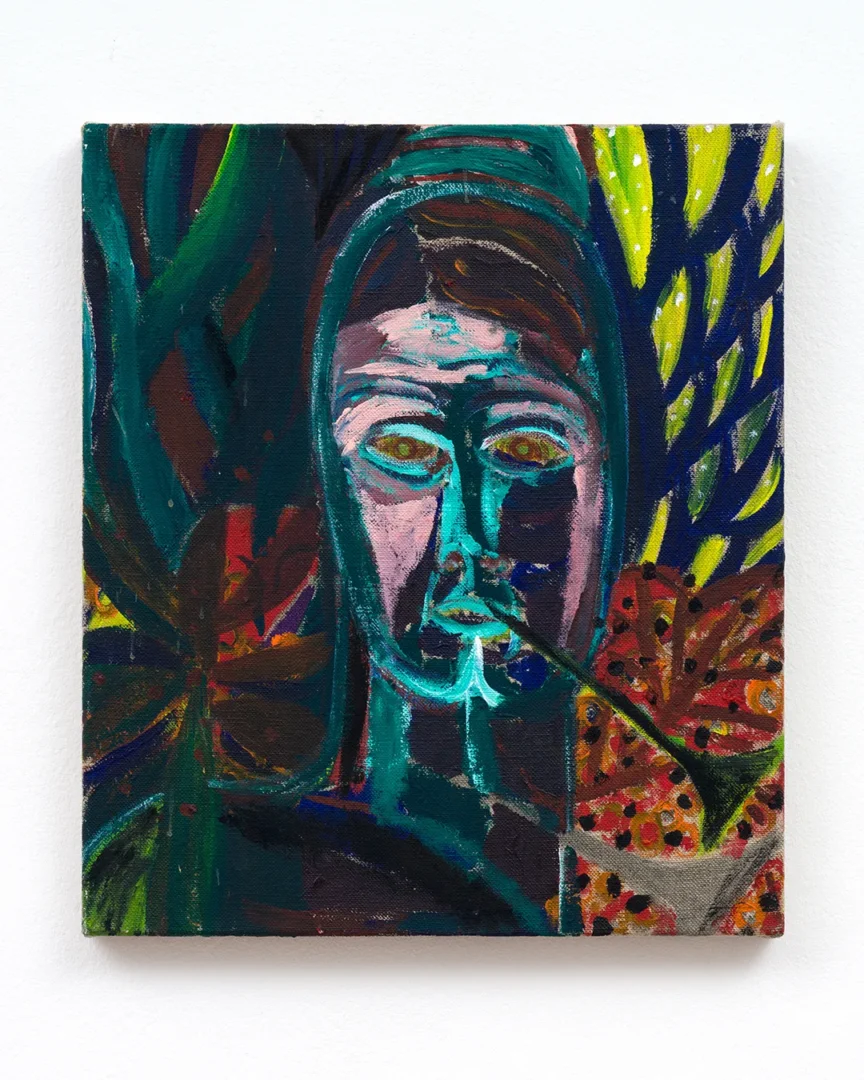
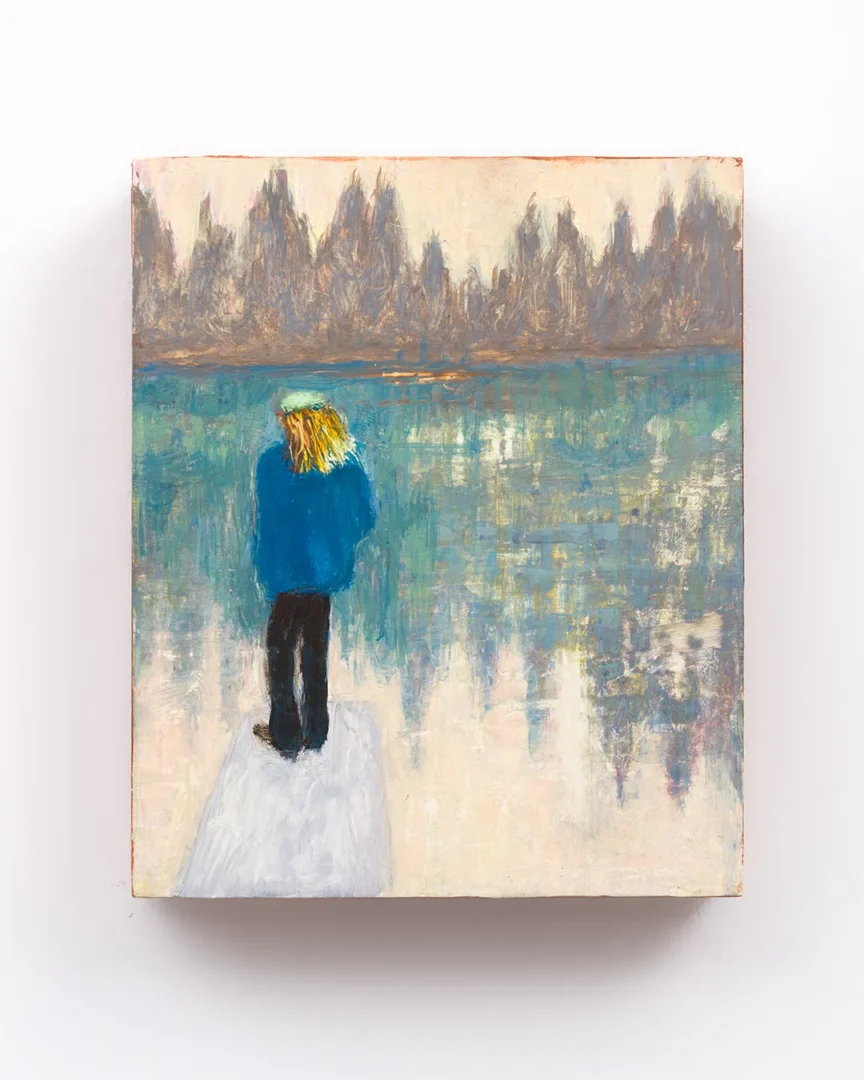
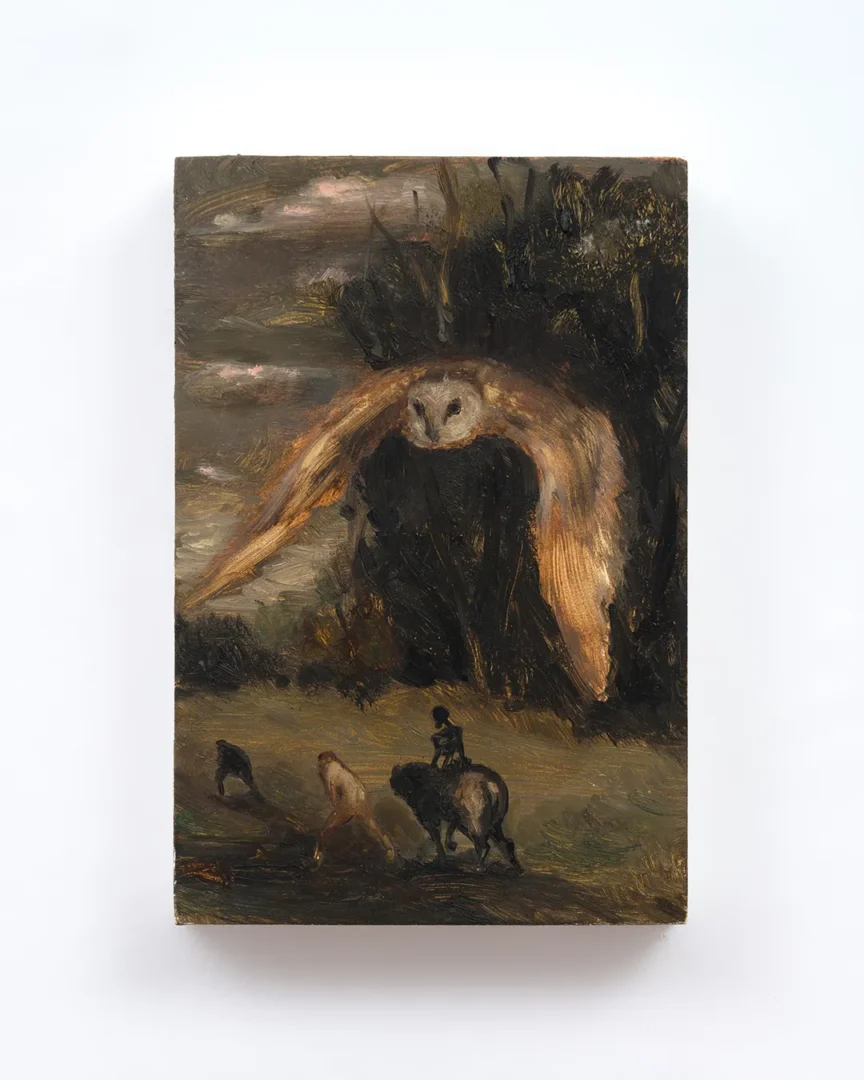
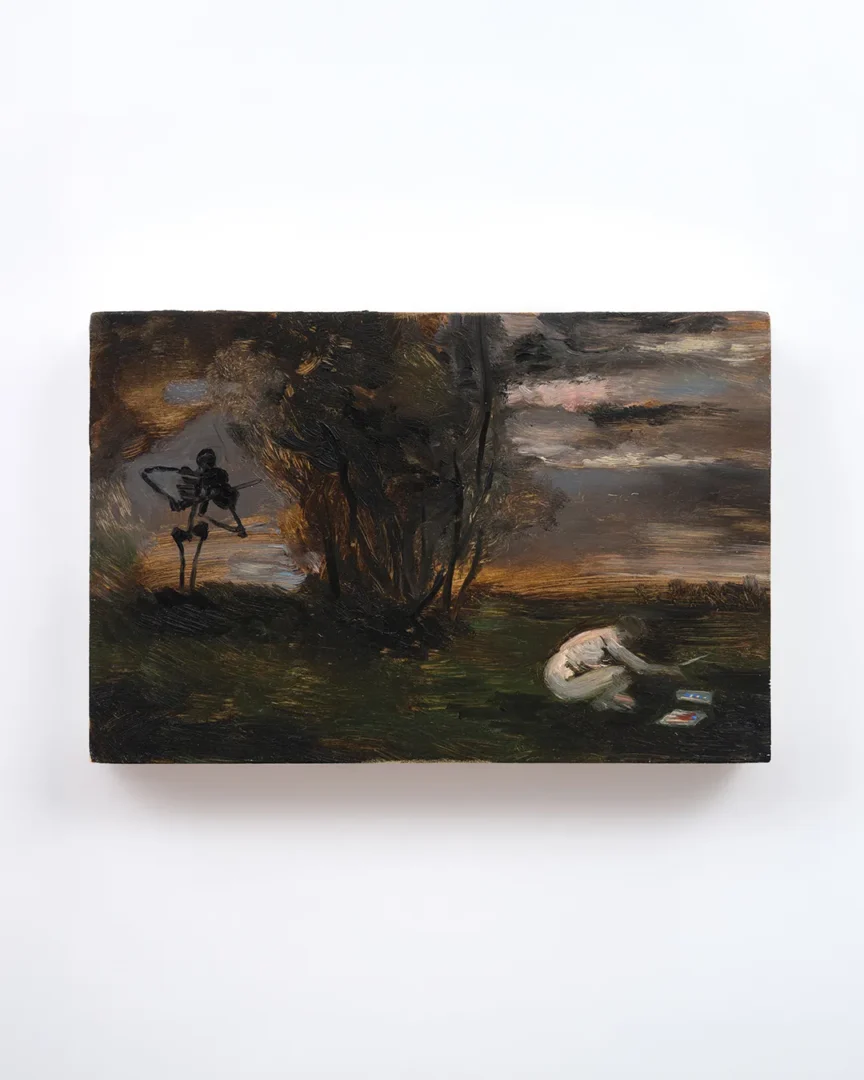
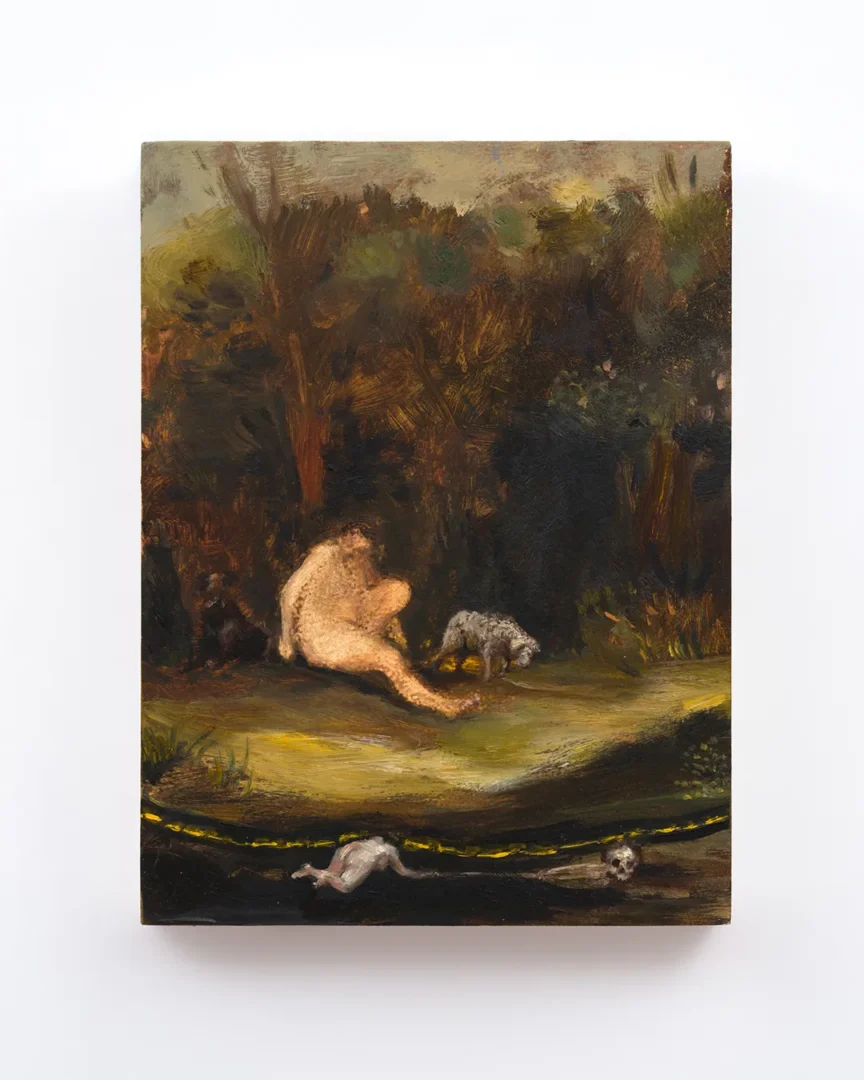
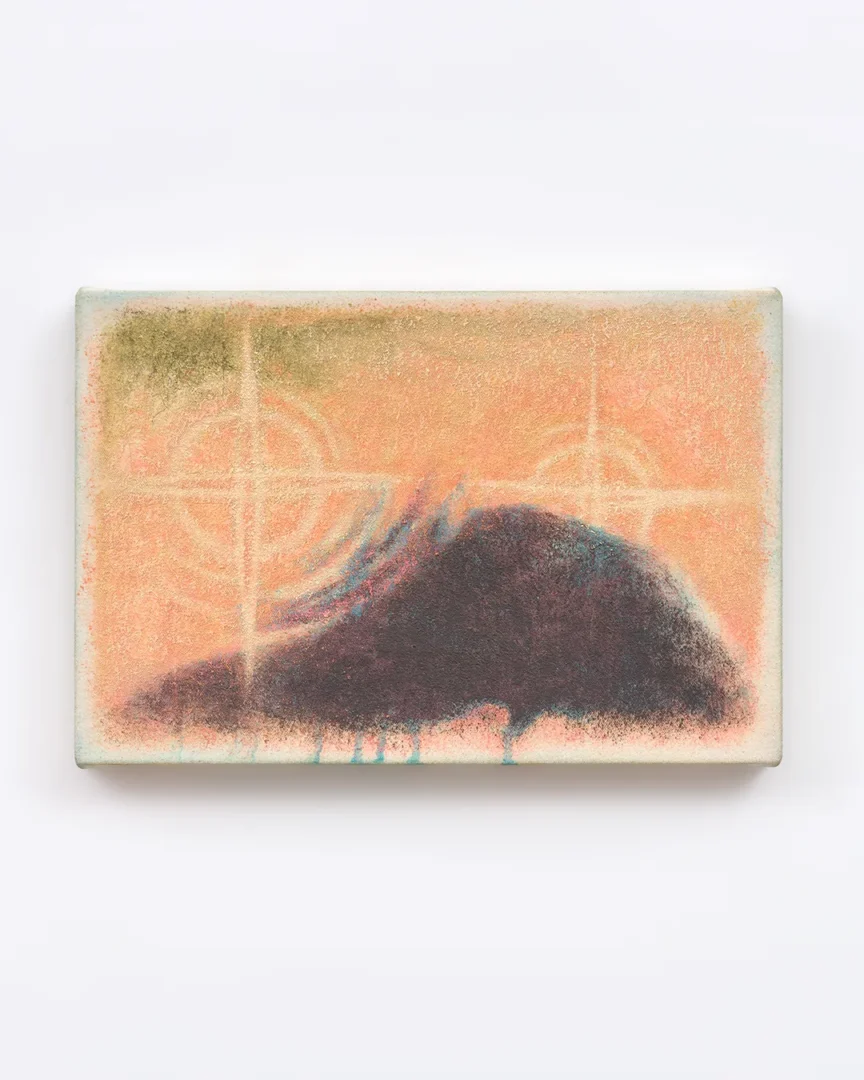
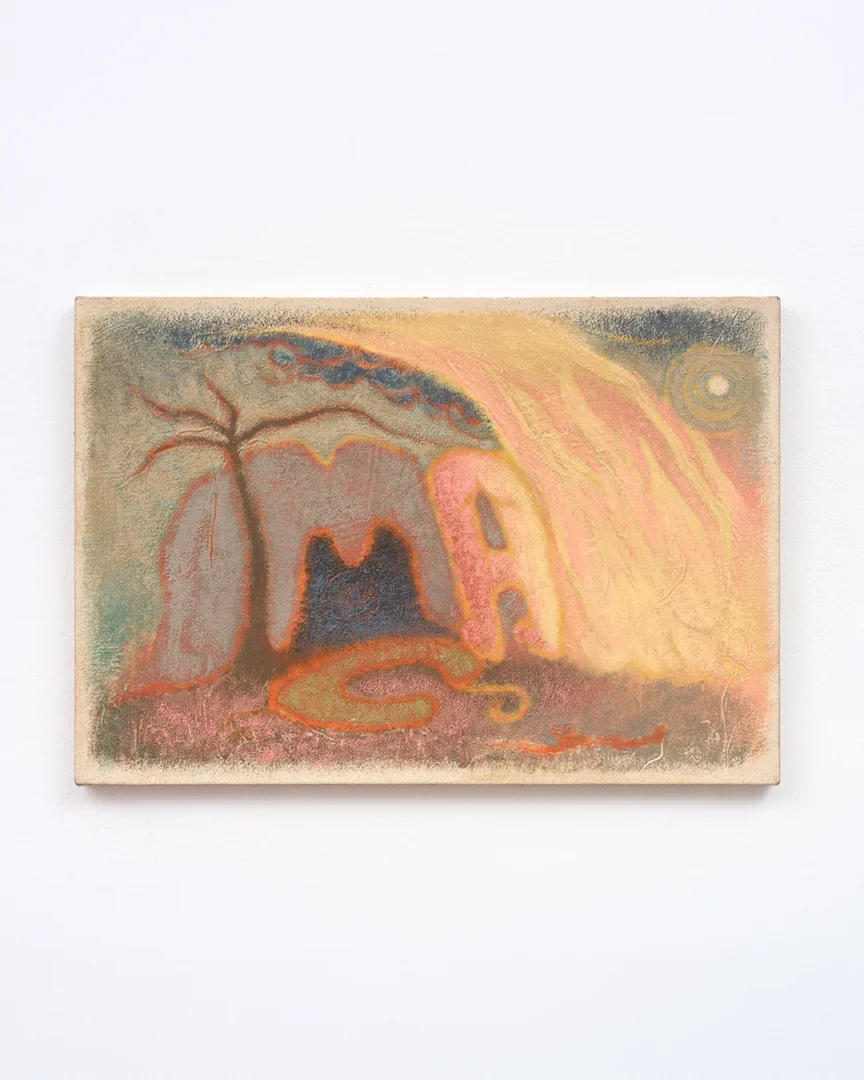
In these paintings, material resistance extends into subject. Martyn Cross builds surfaces through layers of abraded pigment that resemble something excavated rather than made; Heidrun Rathgeb captures moonlit water and the stillness of a jetty at dusk; Lisa Ivory conjures dense, atmospheric shadowlands. What they share is nature understood not simply as landscape but as devotional subject, as inner state, as something just out of reach. Gosia Machon draws from the same territory, driven by a yearning for untouched nature understood as both external landscape and inner wilderness. Joseph Dilnot places solitary figures into forgotten landscapes, pursuing answers to unnamed questions, holding grief and wonder in equal measure.
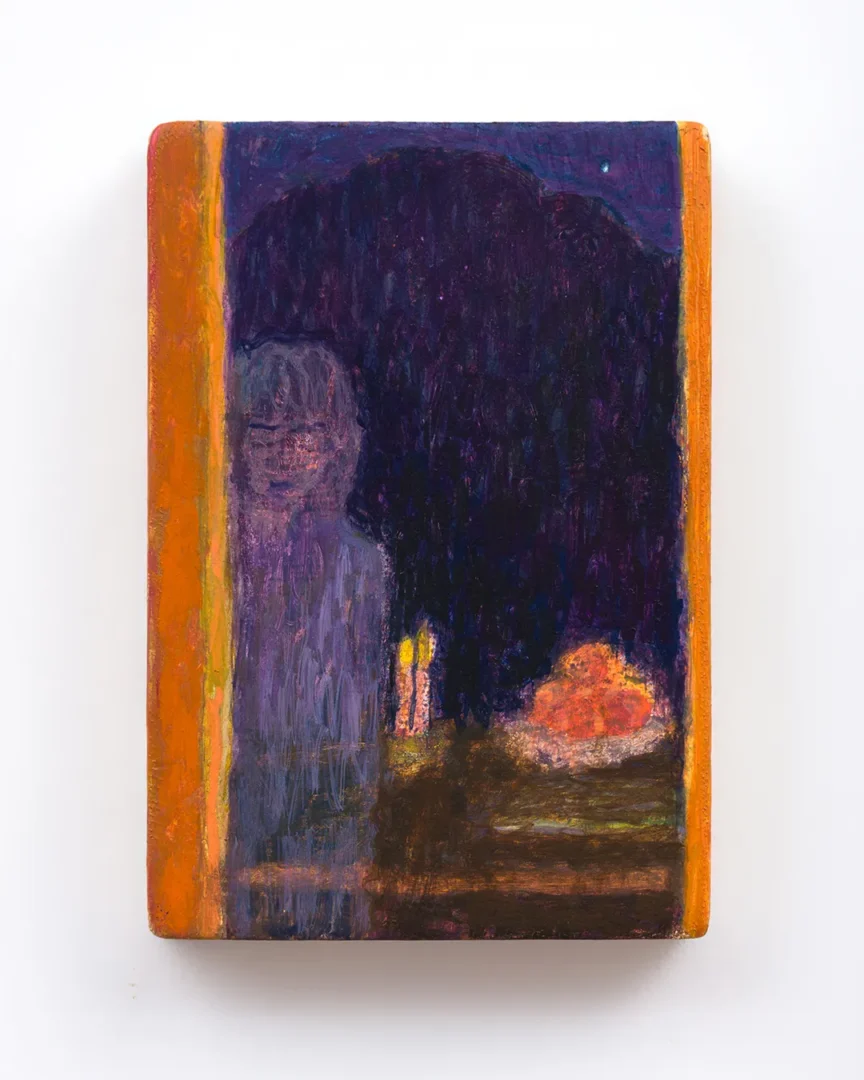
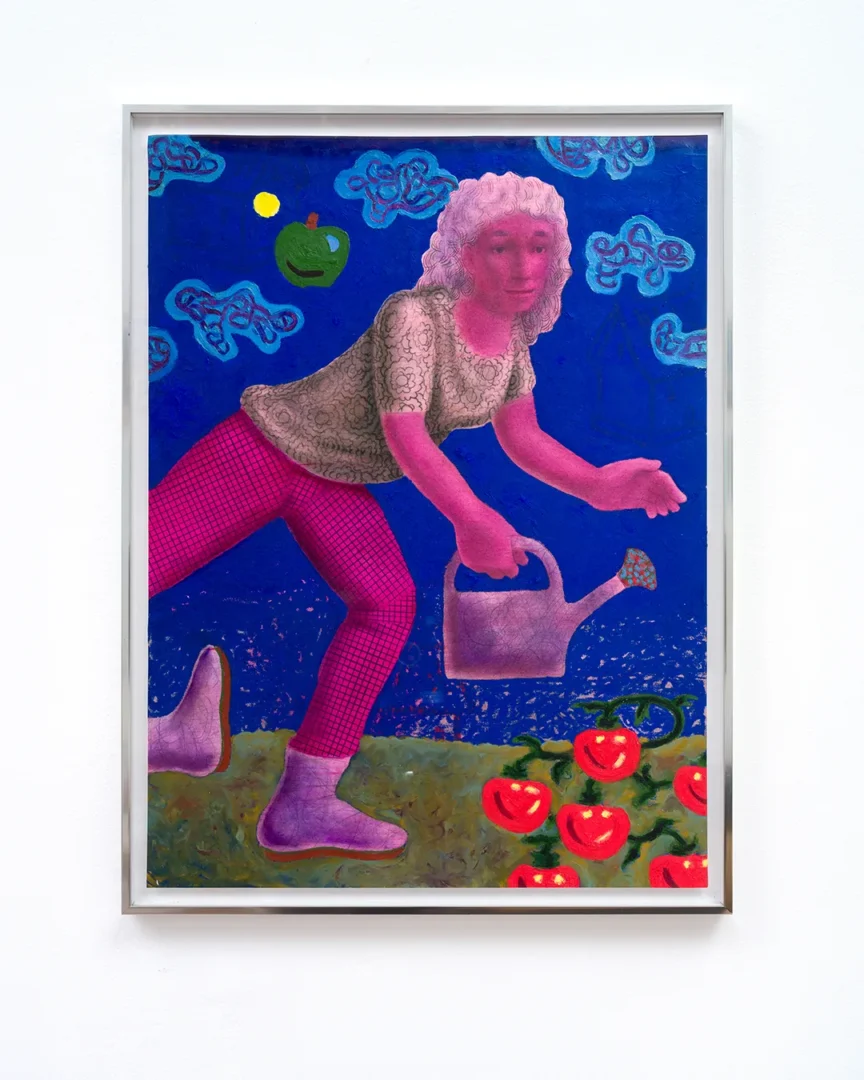
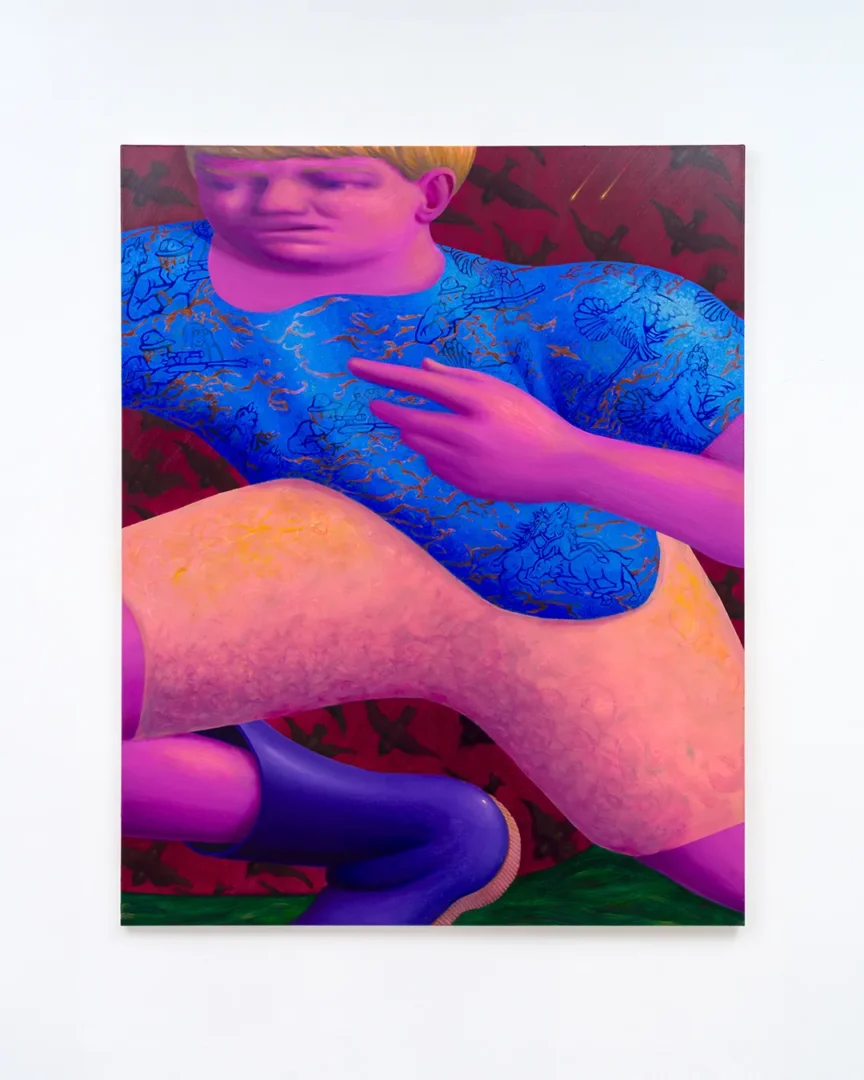
But the longing is never fulfilled. As nature becomes a space of desire, it also becomes one of the uncanny and unresolvable. In the works of Joseba Eskubi, figures appear ghostlike and metamorphic – forms dissolve until shapes shift the moment you think you’ve seen them. Ivory’s wildmen and skeletal figures stalk a shadowland where the feral and tamed are never reconciled. Lucas Kaiser and David Noro turn the lens on human sensation itself – the awkwardness of almost belonging, the strangeness of reaching for connection in a world that has made it harder to find. Their figures are almost familiar, their scenes tender and strange in equal measure.
The wilderness is still there. The folkloric imagination, that older way of being inside the world, still stirs in these paintings. The Unworlding brings together positions that resist the sleek and the optimised – that seek out the bond to nature, the liminal, the unresolvable. The space that opens up when we leave room for imagination and some wildness. A space we must remember to live in.
MEPAINTSME is the curatorial platform of an anonymous American artist and curator, best known for an Instagram archive of over 10,000 art historical and contemporary paintings, named “indispensable” by critic Jerry Saltz. Beyond the feed, MEPAINTSME runs an online gallery of solo and thematic exhibitions, an annual juried Open Call supporting charitable causes, and a Substack of in-depth artist interviews and studio visits. The Unworlding marks the platform’s first physical exhibition in Europe.
Text by Christine Schmelter ·